

Allergy testing
Skin prick, blood, patch and breathing tests that show what is behind your sneezing, rash, cough or food reactions. Skin test results are ready in about 15 to 20 minutes.
Thanksgiving hours: all clinics close at noon on Wednesday, Nov 25, and are closed Thursday and Friday, Nov 26–27.
Conditions we treat
Asthma shouldn’t decide whether you can play soccer, mow the lawn or sleep through the night. Our allergists measure how your airways are working, look for the allergic triggers that often drive asthma in North Texas and adjust treatment with one goal in mind: steady, everyday control. Every patient leaves with a written asthma action plan.
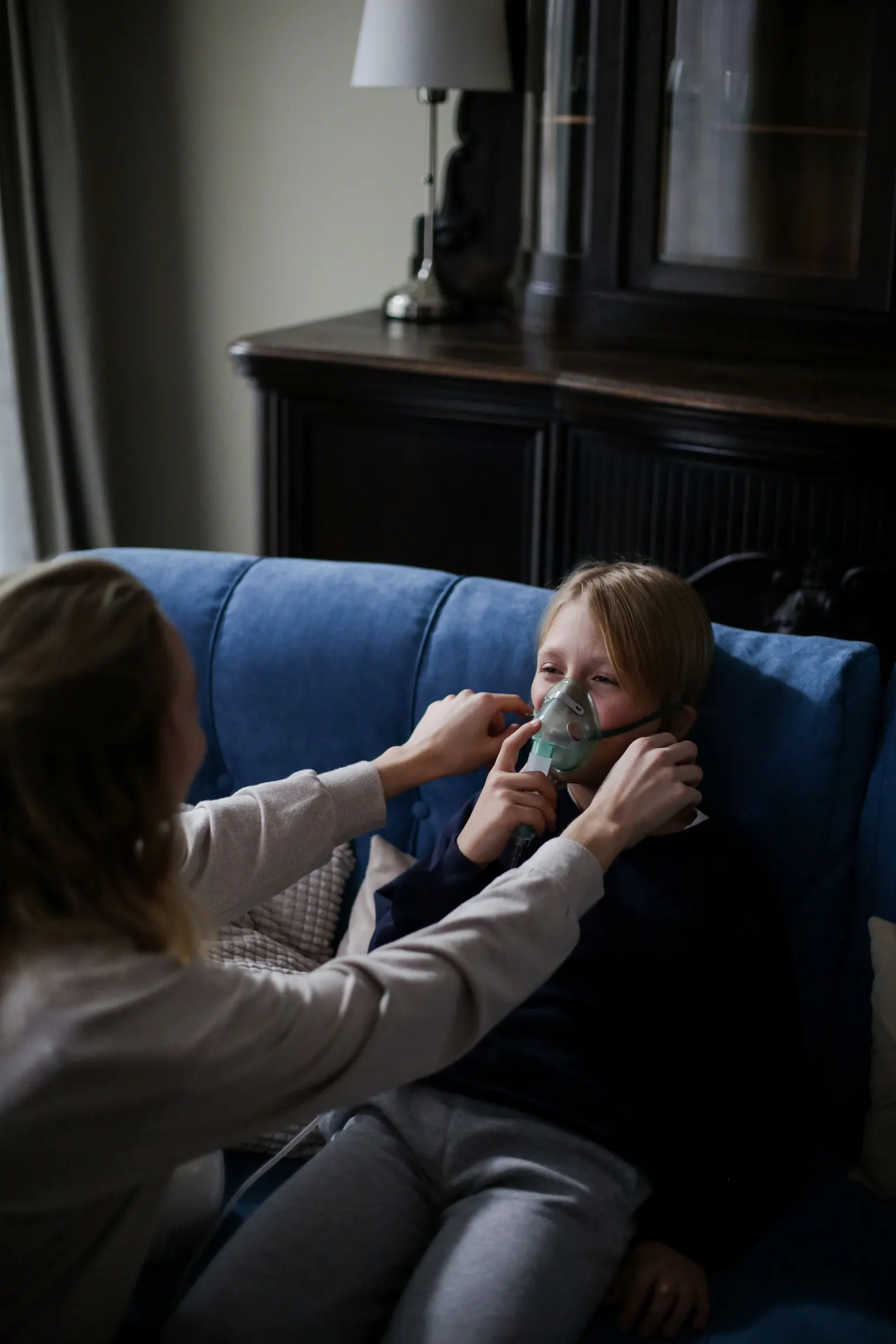
Asthma is a long-term condition in which the airways become swollen, sensitive and narrowed, making it harder to move air in and out. Symptoms tend to come and go, often flaring with allergens, colds, exercise or weather changes. With the right controller medicine and a clear plan, many people with asthma have few symptoms from day to day.
When it’s an emergency: If you or your child is struggling to breathe, can’t speak in full sentences, has bluish or gray lips, or isn’t improving after using a rescue inhaler, call 911 or go to the nearest emergency room.
Asthma is ongoing inflammation of the airways in your lungs. When something sets off a flare, the muscles around those airways tighten, the lining swells and extra mucus builds up. Air has a harder time getting through, which is why you wheeze, cough or feel short of breath.
Many people with asthma also have allergies, and the two often feed each other. This is called allergic asthma. Others have asthma linked mainly to exercise, viral infections or a type of inflammation driven by white blood cells called eosinophils. Knowing which type you have helps us choose the right treatment.
Symptoms can be mild one month and severe the next. Even when you feel fine, your airways may still be inflamed, which is why a daily controller often matters more than the rescue inhaler.
Around Dallas–Fort Worth, asthma flares often follow the pollen calendar: mountain cedar in winter, trees in spring, grasses through summer and ragweed in the fall. Mold counts jump after storms, and strong spring and fall winds move pollen and dust long distances.
Summer brings its own challenges. High ozone on hot afternoons can irritate sensitive airways, and moving from outdoor heat into cold air conditioning can set off coughing. Colds and flu often trigger flares when kids head back to school in late summer.
You can’t control the weather, but you can plan for it. Checking daily pollen and air quality reports and keeping your controller medicine steady through peak seasons can help prevent flare-ups.

Asthma can be tricky to spot in young children, who often have a lingering cough or noisy breathing with every cold rather than classic wheezing. Spirometry usually works from about age 5, so for younger kids we rely more on history, exam and how they respond to treatment. We teach families to use a spacer, or a spacer with a mask for toddlers, and to recognize early warning signs.
Asthma is diagnosed with more than a stethoscope. At your visit, you’ll likely do spirometry, a breathing test where you blow out hard and fast into a tube. We often repeat it after a quick-relief medicine to see whether your airways open up, which is a classic sign of asthma.
A FeNO test measures nitric oxide in your breath, a marker of allergic-type airway inflammation. It takes a few minutes and simply involves breathing out slowly and steadily. Allergy testing then shows which indoor or outdoor allergens may be making things worse.
We repeat these tests over time to see how well treatment is working. Better numbers, along with fewer symptoms, help us decide when it may be safe to step medicine down.
Most people with persistent asthma need two kinds of medicine: a daily controller, usually an inhaled corticosteroid, to calm inflammation, and a quick-relief inhaler for sudden symptoms. Some combination inhalers can do both jobs. We check your inhaler technique at visits, because a good medicine used the wrong way won’t work well.
Your written action plan uses three zones so you always know the next step:
If allergies drive your asthma, allergy shots may reduce symptoms and medicine needs once your asthma is well controlled. For severe asthma that stays uncontrolled despite high-dose inhalers taken correctly, a biologic injection may be an option. Blood tests, such as an eosinophil count and IgE level, help show which type of biologic fits your asthma.
Good control means your child can run at recess and play on a team. We complete school medication forms, share an action plan the school nurse can follow and explain when to use a quick-relief inhaler before exercise. Older kids and teens learn to carry and use their own inhaler.
Adults may notice flares from workplace dust, fumes or cleaning products. Tell us about your job and hobbies so we can look for patterns and plan around them.
Before a new sports season, we can review your plan, make sure the inhaler hasn’t expired and talk through warm-ups and pacing on hot days.
Every plan starts with the right test. These are the treatments most often used for this condition.
Skin prick, blood, patch and breathing tests that show what is behind your sneezing, rash, cough or food reactions. Skin test results are ready in about 15 to 20 minutes.

A custom mix of the allergens you react to, given as regular injections that build tolerance over time. Walk in during shot hours at any of our three DFW clinics, no appointment needed.
Yes. Adult-onset asthma is common and can start after a bad respiratory infection, a new workplace exposure or hormonal changes, or with no clear reason at all. It’s sometimes mistaken for bronchitis or a cough that won’t quit. Breathing tests help sort out whether asthma, another condition or both are involved.
FeNO stands for fractional exhaled nitric oxide. You breathe out slowly into a handheld device for several seconds, and it measures a gas linked to allergic airway inflammation. It doesn’t hurt, there are no needles, and most children 5 and older can do it. Results are ready during your visit.
Biologics are meant for asthma that stays severe despite high-dose inhalers used correctly. We first confirm the diagnosis, check technique and review triggers. If you still qualify, blood tests and your allergy profile help us choose among options such as omalizumab, mepolizumab, dupilumab or tezepelumab. Most are injections given every few weeks.
Some children’s symptoms ease as they get older, especially when wheezing was mostly tied to colds. Others carry asthma into adulthood, and symptoms can return years later. Because there’s no way to know for sure, we focus on keeping your child’s lungs healthy now and update the plan as they grow.
If your skin cracks, itches and flares no matter which lotion you try, we look for allergic and everyday triggers, build a skin care routine that fits your family and discuss advanced options when needed.
About eczemaIf you’ve had round after round of antibiotics or your sinuses never fully clear, we look for allergies, nasal polyps and immune problems that keep the cycle going, then plan the next steps with you.
About sinusitisIf you’ve been coughing for months and cough drops, antibiotics or a chest X-ray haven’t given you an answer, we test for asthma, allergies and other common causes, one step at a time.
About chronic coughMost new patients are seen within a week. Book online or call the clinic closest to you.