

Allergy testing
Skin prick, blood, patch and breathing tests that show what is behind your sneezing, rash, cough or food reactions. Skin test results are ready in about 15 to 20 minutes.
Thanksgiving hours: all clinics close at noon on Wednesday, Nov 25, and are closed Thursday and Friday, Nov 26–27.
Testing and treatment
Sublingual immunotherapy works on the same principle as allergy shots, without the needles or weekly visits. You place a few drops of your custom allergen mix under your tongue each day at home. After a first dose in our clinic, you come back for periodic check-ins instead of regular injections. It suits busy families, needle-shy kids and anyone who lives a long drive away.
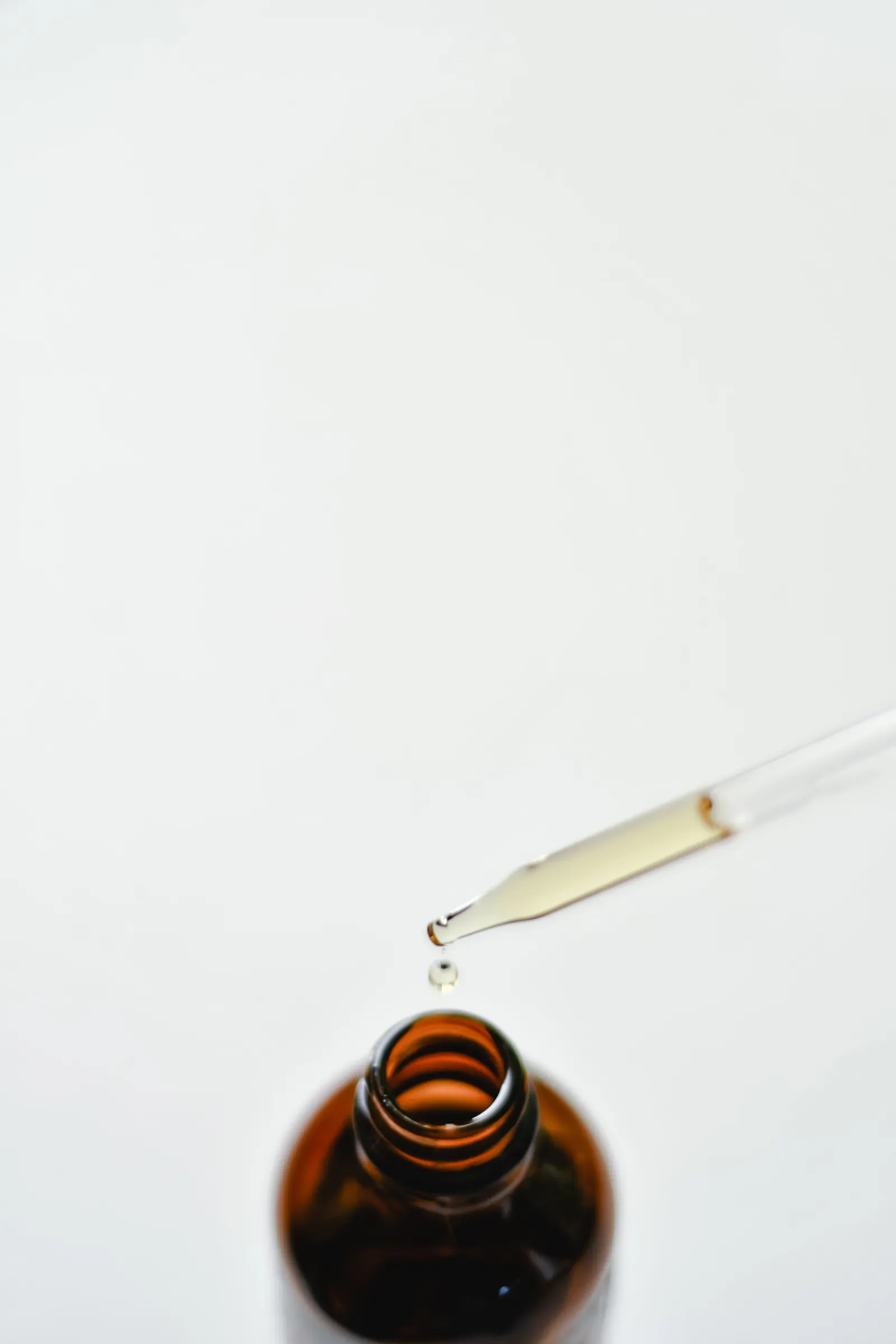
Sublingual immunotherapy, or SLIT, builds tolerance to allergens through small doses held under the tongue every day. Drops are prepared from the allergens your testing identified. The first dose is given in the clinic, and you continue daily at home. Over months to years, allergy symptoms and the need for medicine may decrease.
The tissue under your tongue is rich in immune cells that tend to encourage tolerance rather than inflammation. When small amounts of allergen are held there every day, the immune system gradually learns to react less. The idea is the same as allergy shots, delivered by mouth instead of by injection.
You hold the drops under your tongue for about 1 to 2 minutes, then swallow. The dose rises over the first weeks according to a written schedule, then stays steady for the rest of treatment.
What goes into your drops depends on your testing and on what actually sets off your symptoms, whether that is a spring tree season, a summer of grass pollen or a cat at home. Allergens that tested positive but never cause you trouble are usually left out.
There are two forms of sublingual immunotherapy in the US. FDA-approved tablets are available for grass pollen, ragweed and dust mite allergy. Each tablet type treats one allergen, and tablets may be covered by your pharmacy plan. Grass and ragweed tablets are usually started a few months before the season, while dust mite tablets are taken all year.
Custom drops are mixed for you and can combine several allergens in one bottle, such as mountain cedar, oak, Texas grasses, cat and dust mite. In the US, these drops are prescribed off-label, meaning the extracts are FDA-approved but not specifically for use under the tongue. Because of that, they are usually not covered by insurance and are paid for out of pocket.
Tablets make sense when one allergen drives most of your symptoms. Custom drops tend to suit people with several overlapping triggers, which is common here. We will review both with you and explain the costs before you decide.
Your first dose is given at our Arlington, Keller or Mansfield clinic, and we observe you for about half an hour afterward. Starting here means any early reaction happens where we can treat it, and you go home knowing what normal feels like. During that visit, we also show you how to measure each dose, what side effects to expect and when to hold a dose.
From then on, you take your drops once a day at home, ideally at the same time each day. Most people tie their dose to a daily habit, like brushing teeth in the morning. Store your drops as directed, usually in the refrigerator, and pack them when you travel.
Your usual allergy and asthma medicines stay in place at the start. If the drops help as hoped, you and your provider can scale those medicines back later.
Drops are a strong option when frequent clinic visits would be hard to keep up. With no waiting room time after each home dose, they can save many hours over the course of treatment. They are often a good match for these patients:
Allergy drops are a multi-year commitment. Many people begin to notice fewer symptoms within the first season or year, and treatment usually continues for about 3 to 5 years.
Follow-up visits let us check your progress, adjust your mix and keep your supply on schedule. Severe or poorly controlled asthma can make drops unsafe, so we make sure your breathing is stable before you start and at each check-in.
When to stop is a shared decision. Many people who complete a full course continue to feel some benefit after stopping, though this varies from person to person.
We confirm your allergies, review your asthma and health history, and compare drops, tablets and shots with you.
Your drops are mixed from the allergens that matter for you and come with a written dosing schedule.
You take your first dose with us, practice the technique and stay for observation before heading home.
Take your drops once a day, keep a simple log, and call us with any questions or side effects.
Follow-up visits track how you’re doing, fine-tune the plan and decide how long to continue.
Mild side effects are common in the first weeks, such as an itchy or tingling mouth, slight lip swelling or an upset stomach, and they usually fade as your body adjusts. Serious reactions are uncommon. We review warning signs with you, explain when to hold a dose, for example during mouth sores or an asthma flare, and may prescribe an epinephrine auto-injector to keep at home.
Cost and insurance. Custom drops are usually self-pay at about $110 to start and roughly $89 per month after that, while FDA-approved tablets may be covered by your pharmacy benefit. See our pricing page for every service and how we check your benefits before you come in.
If your nose runs from cedar season into spring and your eyes itch every fall, we find out which pollens, molds or indoor allergens are behind it and build a plan around your results.
About allergiesIf you reach for your rescue inhaler more than you’d like, or your child coughs through the night, we measure your lungs, find your triggers and give you a written plan you can follow.
About asthmaIf you’ve had round after round of antibiotics or your sinuses never fully clear, we look for allergies, nasal polyps and immune problems that keep the cycle going, then plan the next steps with you.
About sinusitisBoth can reduce allergy symptoms and medicine use when taken consistently. Shots have a longer track record and cover a wider range of allergens, while drops trade some of that for convenience. The right choice depends on your allergies, schedule and comfort with needles, and your provider will walk you through the trade-offs.
Yes. Drops are popular with families because there are no needles and dosing happens at home. Children need to be able to hold the drops under the tongue for a short time, and a parent should supervise each dose. Your provider will confirm that drops make sense for your child’s age, allergies and asthma.
If you miss a single day, take your usual dose the next day and don’t double up. If you miss several days in a row, call us before restarting, since we may need to lower your dose and build back up. Phone reminders and a small travel kit make it easier to stay on track.
It is usually best to start outside your worst season, when your body is less reactive. For mountain cedar, that means beginning well before December, and for ragweed, before late summer. Once you are on a steady daily dose, you generally keep taking it right through the season. Your provider will time your start around your test results.
Skin prick, blood, patch and breathing tests that show what is behind your sneezing, rash, cough or food reactions. Skin test results are ready in about 15 to 20 minutes.

A custom mix of the allergens you react to, given as regular injections that build tolerance over time. Walk in during shot hours at any of our three DFW clinics, no appointment needed.

Tiny, carefully increasing daily doses of a food allergen that raise the amount it takes to cause a reaction. Our Food Allergy Center offers OIT for peanut, tree nuts, milk, egg, wheat and sesame.
Most new patients are seen within a week. Book online or call the clinic closest to you.