

Allergy testing
Skin prick, blood, patch and breathing tests that show what is behind your sneezing, rash, cough or food reactions. Skin test results are ready in about 15 to 20 minutes.
Thanksgiving hours: all clinics close at noon on Wednesday, Nov 25, and are closed Thursday and Friday, Nov 26–27.
Testing and treatment
For many families, food allergy means reading every label and worrying through every birthday party. Oral immunotherapy is a structured way to help the body tolerate more of a food allergen, so an accidental bite is less likely to cause a serious reaction. It is the heart of the Aller-Vista Food Allergy Center, led by pediatric allergist Dr. Ingrid Lindqvist.

Oral immunotherapy, or OIT, is a medical treatment for food allergy. You eat a tiny, measured amount of the food you are allergic to every day, and the dose is slowly raised at supervised clinic visits. Over months, this raises the amount needed to trigger a reaction. It protects against accidental exposure, but it is not the same as outgrowing the allergy.
OIT gradually desensitizes your body to a food. Each day you eat a precise dose of the allergen mixed into a food you tolerate, and every couple of weeks the dose is raised in our clinic. Early doses are often a tiny fraction of a single peanut or a few drops of milk. Over time, the amount it takes to cause a reaction, called your threshold, goes up.
The main goal is to become “bite-proof,” meaning protected if you accidentally eat a small amount of the food. Some patients go on to eat the food freely in normal servings, while others stay on a fixed daily dose. Results vary from person to person, and OIT does not mean the allergy is gone.
Because desensitization depends on regular exposure, daily dosing usually continues long term. Stopping or skipping doses for several days can lower your protection.
Our Food Allergy Center serves families from across Dallas–Fort Worth and offers OIT for the most common food allergies. If you are allergic to more than one food, multi-food OIT can treat several allergens in the same program when it is safe to do so.
Each food is assessed on its own. Some foods tend to cause more side effects during build-up than others, and some people who react to one tree nut can safely eat others, which testing and food challenges help sort out.
A very young child’s immune system appears to be more adaptable, and starting OIT early may lead to better results. We can begin OIT in children as young as about 9 months once a food allergy has been confirmed. Babies and toddlers usually take their dose stirred into a familiar food they already tolerate, such as a fruit puree, and parents are coached on how to measure and give it.
Older children, teens and adults are candidates too. Teens heading toward sleepovers, road trips and college often find that being bite-proof makes daily life feel far more manageable. In older patients, a history of severe reactions or asthma that is hard to control may change how we approach treatment.
Most of OIT happens at home, so we spend real time teaching your family how to dose safely. The rules can feel strict at first, but they soon become part of the family routine. These habits keep the risk of reactions down:
OIT is a long-term partnership. Every up-dose happens in the clinic, where you stay for about 60 minutes of observation, and you can reach our team with questions between visits. Up-dose visits are also a chance to talk about how home dosing is going and fix anything that is not working.
We also help with the practical side, including school and daycare plans, dosing while traveling, and what to do if a dose is missed. Families come to us from all over DFW, and our team speaks English, Spanish and Arabic.
As your child grows, we help them take on more of their own dosing and safety habits. Teens learn to carry their epinephrine, spot early symptoms and speak up for themselves at school, camp and restaurants.
Your allergist reviews past reactions and testing, explains the benefits and risks of OIT, and makes sure it fits your family’s goals.
Many patients begin with a supervised food challenge to confirm the allergy and find a safe starting dose.
You take the first small doses in the clinic under observation, then go home with a measured daily dose.
About every 2 weeks, the dose is raised in the clinic and followed by roughly an hour of observation. Between visits, you dose daily at home.
Once you reach your target dose, you keep eating it every day and visit less often. Your allergist will discuss whether eating the food more freely is an option.
Side effects are common during build-up and are usually mild, such as an itchy mouth, stomach ache or nausea. More significant allergic reactions can happen, so epinephrine must always be on hand. Eosinophilic esophagitis, an inflammation of the food pipe, is uncommon but possible. We adjust or pause doses when needed and review every symptom with you.
Cost and insurance. OIT begins with an evaluation visit and food challenge, and build-up visits are priced per visit, so ask us for a written estimate based on your plan. See our pricing page for every service and how we check your benefits before you come in.
If you reach for your rescue inhaler more than you’d like, or your child coughs through the night, we measure your lungs, find your triggers and give you a written plan you can follow.
About asthmaIf your skin cracks, itches and flares no matter which lotion you try, we look for allergic and everyday triggers, build a skin care routine that fits your family and discuss advanced options when needed.
About eczemaIf every birthday party, school lunch or restaurant meal comes with worry, we confirm which foods are truly a problem, teach your family to handle reactions and discuss whether oral immunotherapy fits.
About food allergiesSome children reach a point where they can eat the food freely, and younger children may be more likely to get there. Others stay on a daily dose that protects against accidental bites but still avoid the food otherwise. Both are meaningful outcomes, and your allergist will be honest about what to expect for your child.
It depends on the food, the starting dose and how smoothly up-doses go. Build-up often takes several months, with an up-dose visit about every 2 weeks. Illness, travel or a reaction can pause progress for a while, which is normal. After build-up, maintenance dosing continues daily at home.
Every family gets a written action plan. Mild symptoms like an itchy mouth or a stomach ache are usually managed with simple steps and a call to our team. Signs of a serious reaction, such as trouble breathing or repeated vomiting, mean using epinephrine right away and calling 911. We then review and adjust the dose together.
Yes. While many patients start as children, teens and adults with food allergies can also do OIT. Adults may progress differently, and daily dosing has to fit around work, exercise and travel. Your evaluation visit is the place to talk through whether OIT is realistic for your routine.
Skin prick, blood, patch and breathing tests that show what is behind your sneezing, rash, cough or food reactions. Skin test results are ready in about 15 to 20 minutes.
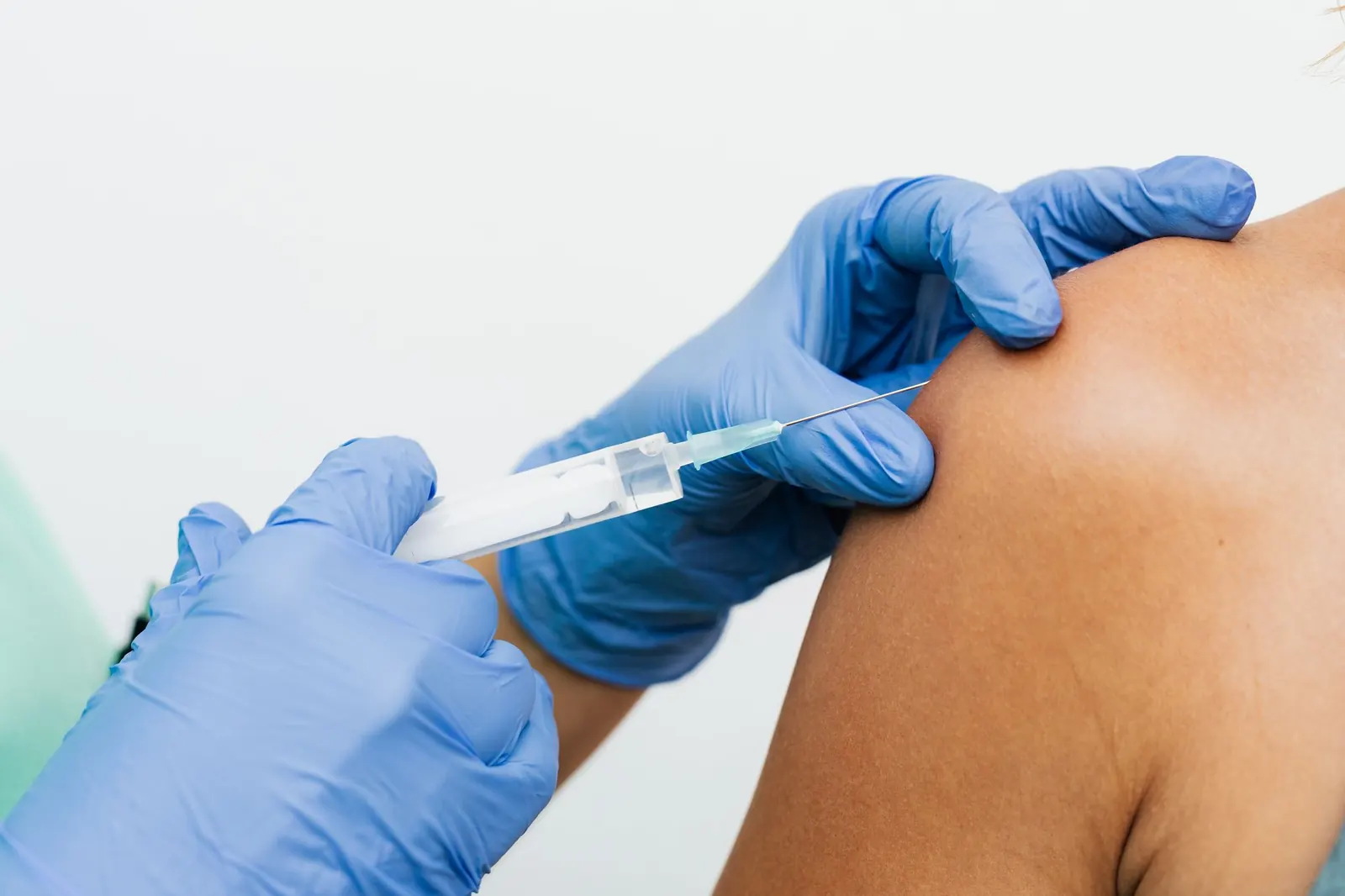
A custom mix of the allergens you react to, given as regular injections that build tolerance over time. Walk in during shot hours at any of our three DFW clinics, no appointment needed.
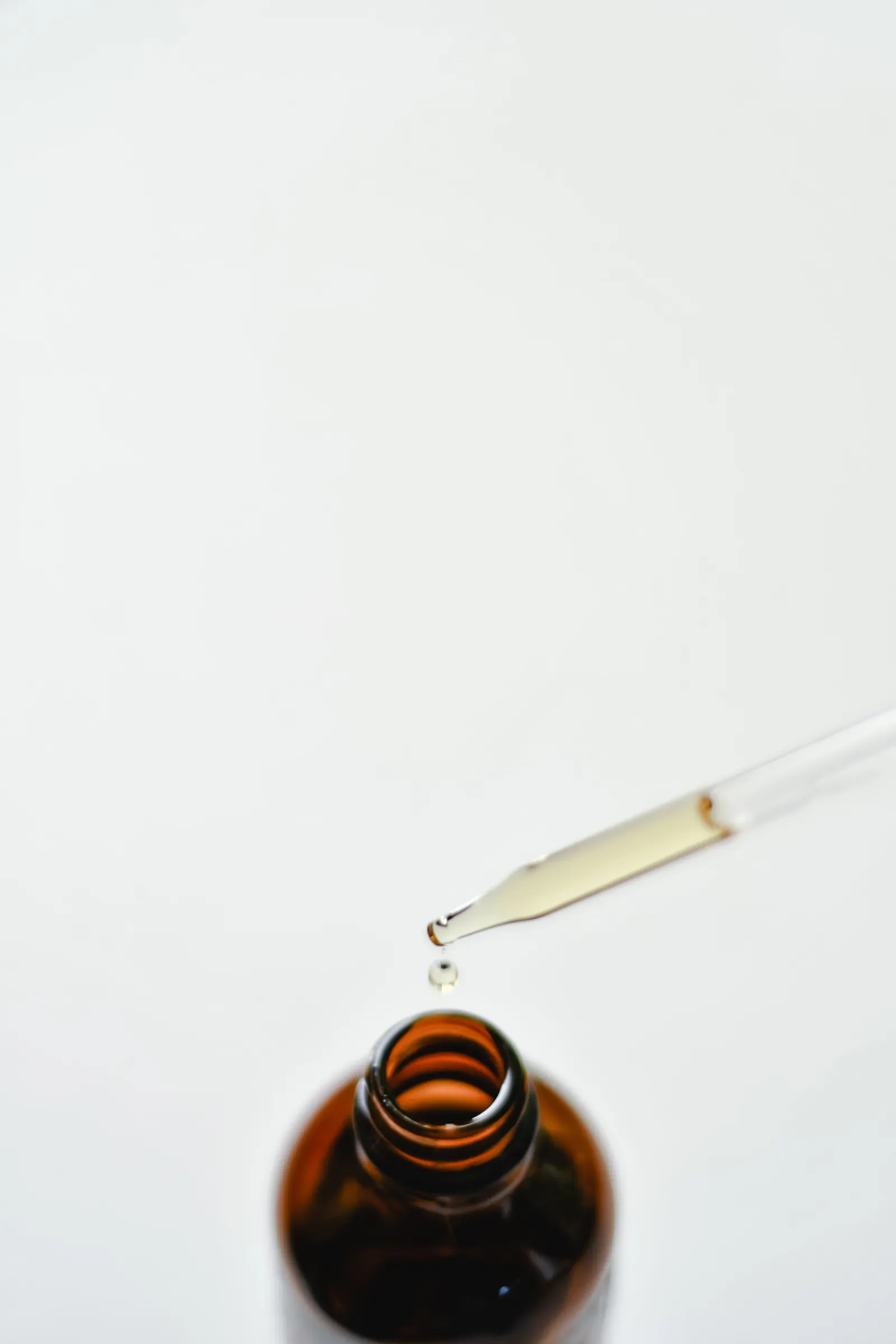
Needle-free immunotherapy you take at home. A few drops under the tongue each day build tolerance to pollen, dust mites and pets, with far fewer trips to the clinic.
Most new patients are seen within a week. Book online or call the clinic closest to you.