
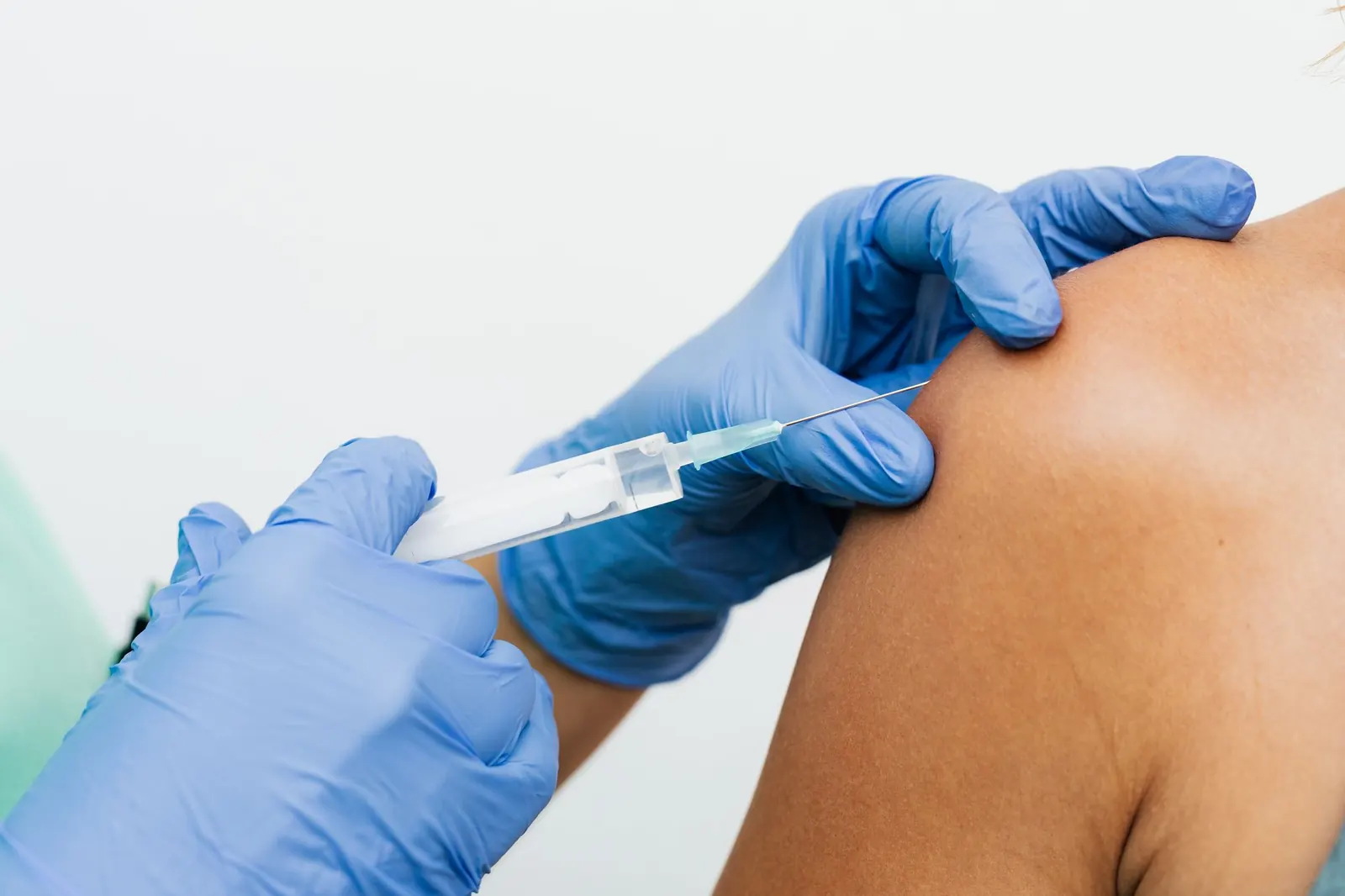
Allergy shots
A custom mix of the allergens you react to, given as regular injections that build tolerance over time. Walk in during shot hours at any of our three DFW clinics, no appointment needed.
Thanksgiving hours: all clinics close at noon on Wednesday, Nov 25, and are closed Thursday and Friday, Nov 26–27.
Testing and treatment
Good treatment starts with knowing exactly what you react to. At Aller-Vista, testing is matched to your symptoms and history instead of run as one giant panel. Skin prick results come back while you are still in the room, so you can talk them through with your provider and leave with a plan. Children as young as 6 months can be tested.

Allergy testing checks which substances your immune system has become sensitized to, such as pollen, dust mites, pets, foods or insect venom. The most common method is a skin prick test, which is read during your visit. Blood, patch and breathing tests fill in the rest of the picture, and an allergist interprets every result alongside your symptoms.
Allergy testing shows whether your immune system has made allergic antibodies, called IgE, to a specific trigger. That matters because plenty of problems look like allergies and are not. Real allergies can also hide behind vague symptoms, like a stuffy nose that never clears or a cough that lingers after every cold.
A positive test is not a diagnosis on its own. Many people are sensitized to something that never bothers them. Your allergist reads each result against your history, so you avoid only what you truly need to avoid and don’t give up foods or pets for no reason.
Testing also helps rule things out. If results are negative, your provider can look at other causes, such as nonallergic rhinitis, reflux, virus-triggered wheezing or skin irritation, so you are not left guessing.
We choose tests based on your symptoms, not a one-size-fits-all checklist. A toddler with eczema and a possible egg reaction needs a different workup than an adult whose spring allergies have turned into wheezing.
Skin prick testing uses small plastic applicators that only touch the top layer of skin. Most kids describe it as a few quick scratches, followed by some itching that fades within an hour or so. We work fast and keep the mood light.
A parent stays in the room the whole time. Bring a tablet, a favorite book or a comfort toy, and tell us ahead of time if doctor visits make your child anxious. Our staff speak English, Spanish and Arabic, so everyone in the family can ask questions comfortably.
Before you leave, your provider explains what the results mean in plain words. Next steps might include a pollen-season plan, ways to cut dust mite exposure at home, an asthma action plan, or a referral to our Food Allergy Center.
If allergic rhinitis or allergic asthma is not controlled by medicines, we will talk through allergy shots and sublingual drops. When a food result is borderline, an oral food challenge can settle the question. You also get a written summary to share with your pediatrician, school nurse or primary care doctor.
Skin testing is offered at all three of our clinics in Arlington, Keller and Mansfield. Patch testing and food challenges may need a separate visit. Spirometry and FeNO can be repeated at follow-ups to show whether asthma treatment is working.
In DFW, something is pollinating almost every month of the year. Testing tells you which seasons are yours, so you can start medicines before symptoms hit instead of chasing them.
Many people react in more than one season, and some feel worse in the fall than in spring. Matching your results to this calendar helps us time your medicines and, if you choose immunotherapy, cover the pollens that bother you most.
Call or request a visit online, then fill out a short form about symptoms, past reactions and current medicines. This helps us plan the right tests in advance.
About a week before, review the prep list below. Antihistamine pills are the main thing to pause because they can block skin test results.
Your provider reviews your history, examines you and decides which tests make sense. Breathing tests are often done at this point.
Skin prick testing takes a few minutes to place and about 15 to 20 minutes to read. Blood draws, patch tests or a food challenge may be scheduled separately.
You go over every result with your provider and leave with a written plan for avoidance, medicines and treatment options.
Skin testing is very safe. The most common side effect is itching and redness at the test sites, which usually fades within a few hours. Serious reactions are rare. Oral food challenges carry more risk, which is why we do them only in the clinic, with trained staff watching closely and emergency medicines ready at all times.
Cost and insurance. Self-pay rates average $195 for a new patient visit, $340 for an environmental skin test panel, $290 for a food skin test panel, $55 for spirometry and $30 for FeNO, and testing is often covered by insurance when medically needed. See our pricing page for every service and how we check your benefits before you come in.
If your nose runs from cedar season into spring and your eyes itch every fall, we find out which pollens, molds or indoor allergens are behind it and build a plan around your results.
About allergiesIf you reach for your rescue inhaler more than you’d like, or your child coughs through the night, we measure your lungs, find your triggers and give you a written plan you can follow.
About asthmaIf your skin cracks, itches and flares no matter which lotion you try, we look for allergic and everyday triggers, build a skin care routine that fits your family and discuss advanced options when needed.
About eczemaIf every birthday party, school lunch or restaurant meal comes with worry, we confirm which foods are truly a problem, teach your family to handle reactions and discuss whether oral immunotherapy fits.
About food allergiesMost people feel a light scratch from each applicator, not a shot. The itch from positive spots is usually the most bothersome part, and it fades within an hour or two. For young children, we work quickly, keep a parent close and use distraction, and an anti-itch cream can help afterward if needed.
Each has a place. Skin testing is fast and sensitive, and you see results during the visit. Blood testing is useful when someone can’t stop antihistamines, has widespread eczema or has a history of severe reactions. Component blood testing adds detail for foods like peanut. Your allergist will recommend whichever option best answers your question.
Skin and blood tests show sensitization, which raises or lowers the likelihood of a true food allergy. They can’t always predict whether you will react when you eat the food. When results are unclear, an oral food challenge done under observation in our clinic gives the clearest answer, and sometimes it shows a food is safe to bring back.
We test babies from 6 months of age. Infants usually get a small, focused skin test panel based on what they have actually eaten or reacted to. Testing at this age is most common for babies with moderate to severe eczema or a reaction to a first food such as egg, milk or peanut.
A custom mix of the allergens you react to, given as regular injections that build tolerance over time. Walk in during shot hours at any of our three DFW clinics, no appointment needed.
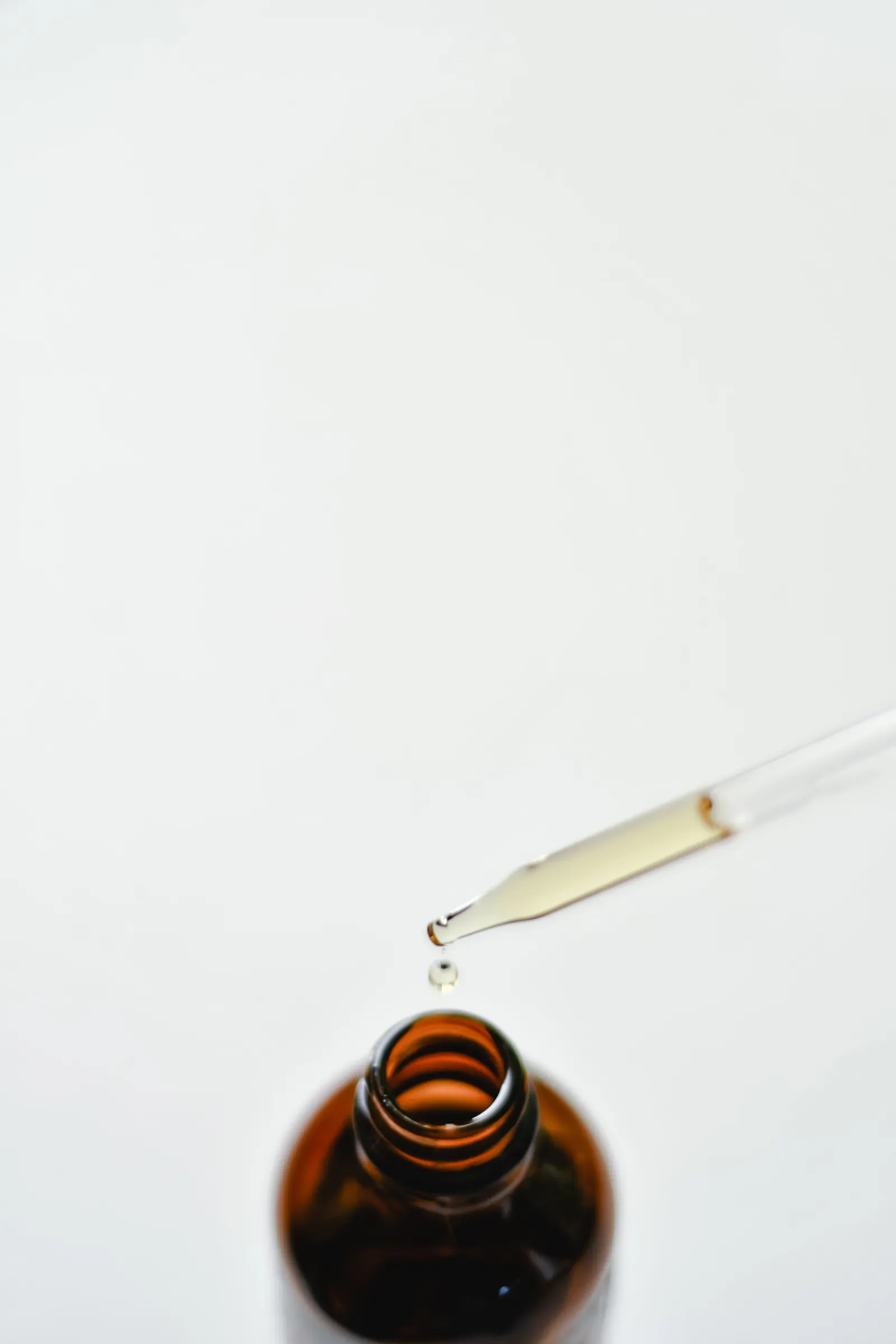
Needle-free immunotherapy you take at home. A few drops under the tongue each day build tolerance to pollen, dust mites and pets, with far fewer trips to the clinic.

Tiny, carefully increasing daily doses of a food allergen that raise the amount it takes to cause a reaction. Our Food Allergy Center offers OIT for peanut, tree nuts, milk, egg, wheat and sesame.
Most new patients are seen within a week. Book online or call the clinic closest to you.