

Allergy testing
Skin prick, blood, patch and breathing tests that show what is behind your sneezing, rash, cough or food reactions. Skin test results are ready in about 15 to 20 minutes.
Thanksgiving hours: all clinics close at noon on Wednesday, Nov 25, and are closed Thursday and Friday, Nov 26–27.
Conditions we treat
Eczema is more than dry skin. The itch can keep your child awake at night, and constant flares can make you self-conscious at work. Our allergists look at the whole picture: skin care habits, possible allergies, contact irritants and the heat and dry winter air of North Texas. Then we build a routine that helps your skin stay calmer between flares.
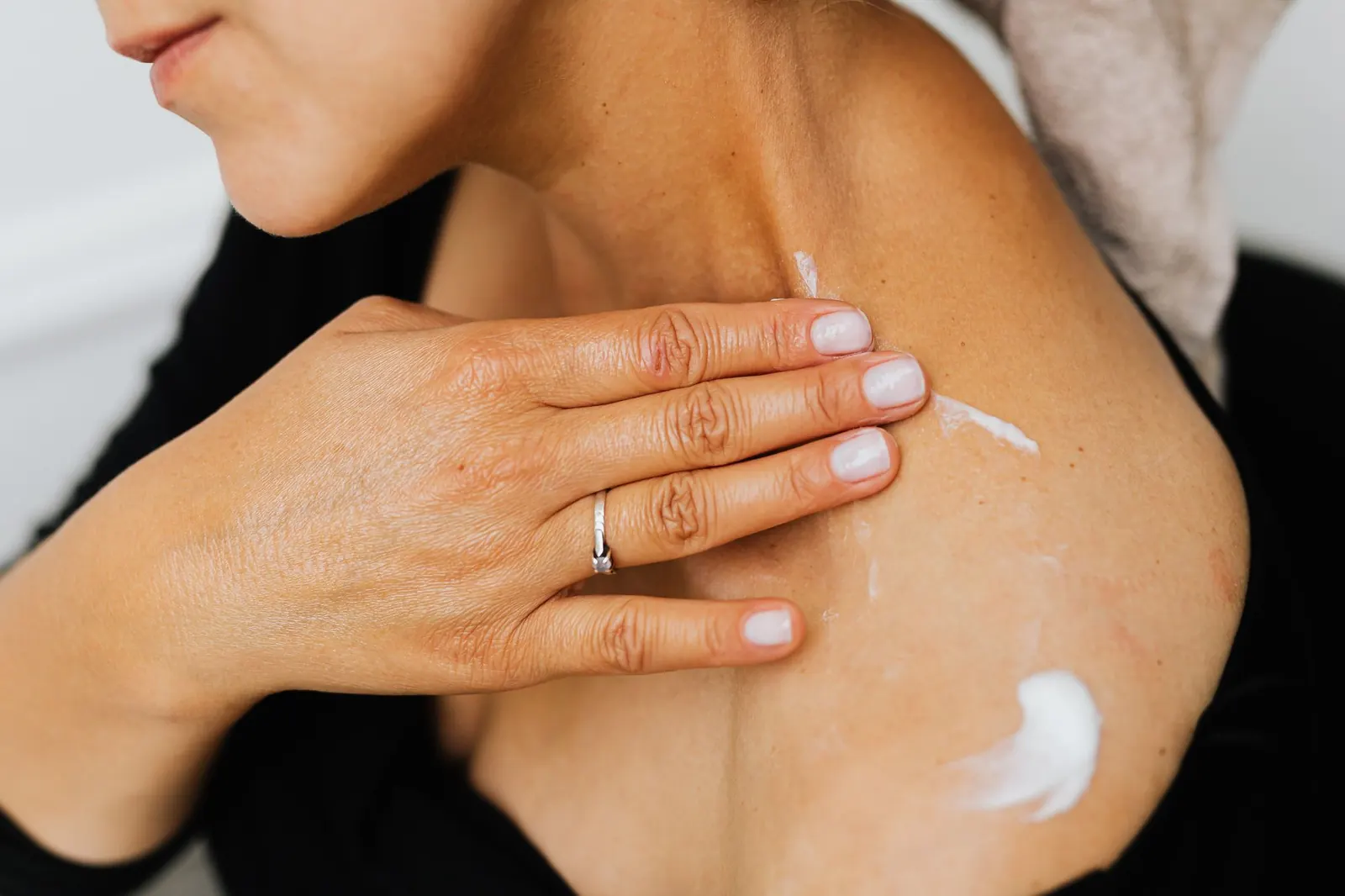
Eczema, also called atopic dermatitis, is a long-lasting skin condition that causes dry, itchy, inflamed patches that flare and settle over time. It happens when the skin barrier doesn’t hold in moisture well and the immune system overreacts. It isn’t contagious, and with daily skin care and the right medicine, many people keep flares milder and less frequent.
Healthy skin works like a brick wall, holding water in and keeping irritants out. In eczema, that wall has gaps. Moisture escapes, the skin dries and cracks, and irritants or allergens slip through and stir up inflammation.
The itch is often the hardest part. Scratching damages the skin further, which leads to even more itching. Breaking that itch-scratch cycle is one of the main goals of treatment, and it usually takes a combination of steps rather than a single cream.
Eczema also looks different on different skin tones. On lighter skin, flares are often pink or red. On brown and Black skin, they may look purple, gray or darker brown and can be harder to spot, and healing patches may leave temporary light or dark marks.
Eczema tends to run in families with allergies and asthma, and it’s often the first allergic condition to appear in babies. Some children with eczema go on to develop food allergies, nasal allergies or asthma, a pattern known as the atopic march.
That doesn’t mean food is usually the cause of eczema. Cutting foods out without testing can lead to poor nutrition and may even raise the risk of a true food allergy later. We test for food allergies only when your history points that way, and we interpret the results carefully.
Indoor allergens are a different story. Dust mites and pet dander can worsen eczema in some people, especially those who also have nasal allergies.

Eczema often starts in the first year of life, usually on the cheeks, scalp and outer arms and legs, then moves to the elbow and knee creases as children grow. Many children see their eczema improve with age. Babies with severe eczema have a higher chance of food allergy, so we may talk with you about introducing peanut and egg early and safely, sometimes after testing.
Our team, including Dr. Adaeze Nwosu, whose practice focuses on asthma and eczema, starts with a close look at your skin, a review of everything you put on it and a timeline of your flares. Photos of past flares on your phone are helpful too.
If a rash keeps appearing where something touches your skin, like a watchband, hair product or lotion, patch testing can check for allergic contact dermatitis. Small patches stay on your back for about two days, and we check the skin at follow-up visits. For eczema that flares with seasons, pets or certain foods, skin prick or blood (IgE) tests can help confirm allergic triggers.
Patch testing and skin prick testing answer different questions. One looks for delayed reactions to things that touch your skin, while the other looks for quick reactions to things you breathe in or eat.
Most eczema plans combine daily care to protect the skin barrier with medicine for flares. We show you how much cream to use and where, because using too little is a common reason treatment falls short. Your plan may include:
For moderate to severe eczema that doesn’t respond to creams, dupilumab, a biologic given by injection, may be an option for many patients, including young children. If dust mites or pollen clearly worsen your skin, allergy shots may help some patients, though they aren’t a first-line eczema treatment.
North Texas weather can be hard on sensitive skin. Sweaty summer days, swims in chlorinated pools and dry indoor heat in winter can all set off flares. Rinsing off after sweating or swimming, choosing breathable cotton and moisturizing twice a day help many patients.
For school-age kids, a small tube of moisturizer in the backpack and permission to use it during the day can make a real difference. We’re happy to write a note for the school nurse, and to suggest cool, loose clothing for recess and sports.
At night, short nails, cotton pajamas and a cool bedroom can cut down on scratching during sleep. Some families find that a fragrance-free laundry detergent and an extra rinse cycle help too.
Every plan starts with the right test. These are the treatments most often used for this condition.
Skin prick, blood, patch and breathing tests that show what is behind your sneezing, rash, cough or food reactions. Skin test results are ready in about 15 to 20 minutes.

A custom mix of the allergens you react to, given as regular injections that build tolerance over time. Walk in during shot hours at any of our three DFW clinics, no appointment needed.
Usually not. Food allergy and eczema often show up together in babies, but for most people food isn’t the main driver of the rash. Removing foods without proper testing can do more harm than good. If a food seems to cause hives, swelling or vomiting, or the rash clearly worsens after certain meals, let’s test.
Used as directed, prescription steroid creams are a safe and important tool for calming flares, even in young children. We match the strength to the body area and explain exactly how long to use it. Side effects such as skin thinning are uncommon with short, guided courses, and non-steroid creams are available for delicate areas.
Patch testing looks for delayed skin allergies to things like metals, fragrances, preservatives and hair dye. Small patches are taped to your back on the first day and removed about two days later. We read the results then and again a day or two after that. You’ll need to keep your back dry during testing.
For many patients with moderate to severe eczema that doesn’t respond to prescription creams, dupilumab can reduce itch and improve the skin over several months. It’s given as an injection every two to four weeks, often at home after training. We review your history, discuss possible side effects such as eye irritation, and help with insurance approval.
If you’ve had round after round of antibiotics or your sinuses never fully clear, we look for allergies, nasal polyps and immune problems that keep the cycle going, then plan the next steps with you.
About sinusitisIf you’ve been coughing for months and cough drops, antibiotics or a chest X-ray haven’t given you an answer, we test for asthma, allergies and other common causes, one step at a time.
About chronic coughIf every birthday party, school lunch or restaurant meal comes with worry, we confirm which foods are truly a problem, teach your family to handle reactions and discuss whether oral immunotherapy fits.
About food allergiesMost new patients are seen within a week. Book online or call the clinic closest to you.