

Allergy testing
Skin prick, blood, patch and breathing tests that show what is behind your sneezing, rash, cough or food reactions. Skin test results are ready in about 15 to 20 minutes.
Thanksgiving hours: all clinics close at noon on Wednesday, Nov 25, and are closed Thursday and Friday, Nov 26–27.
Testing and treatment
Allergy shots are the long game in allergy care. Instead of covering up symptoms day by day, they gradually teach your immune system to tolerate pollen, dust mites, pets and mold. Many patients need fewer medicines over time, and the benefit can last for years after treatment ends. Walk in for shots during posted hours at any Aller-Vista clinic.
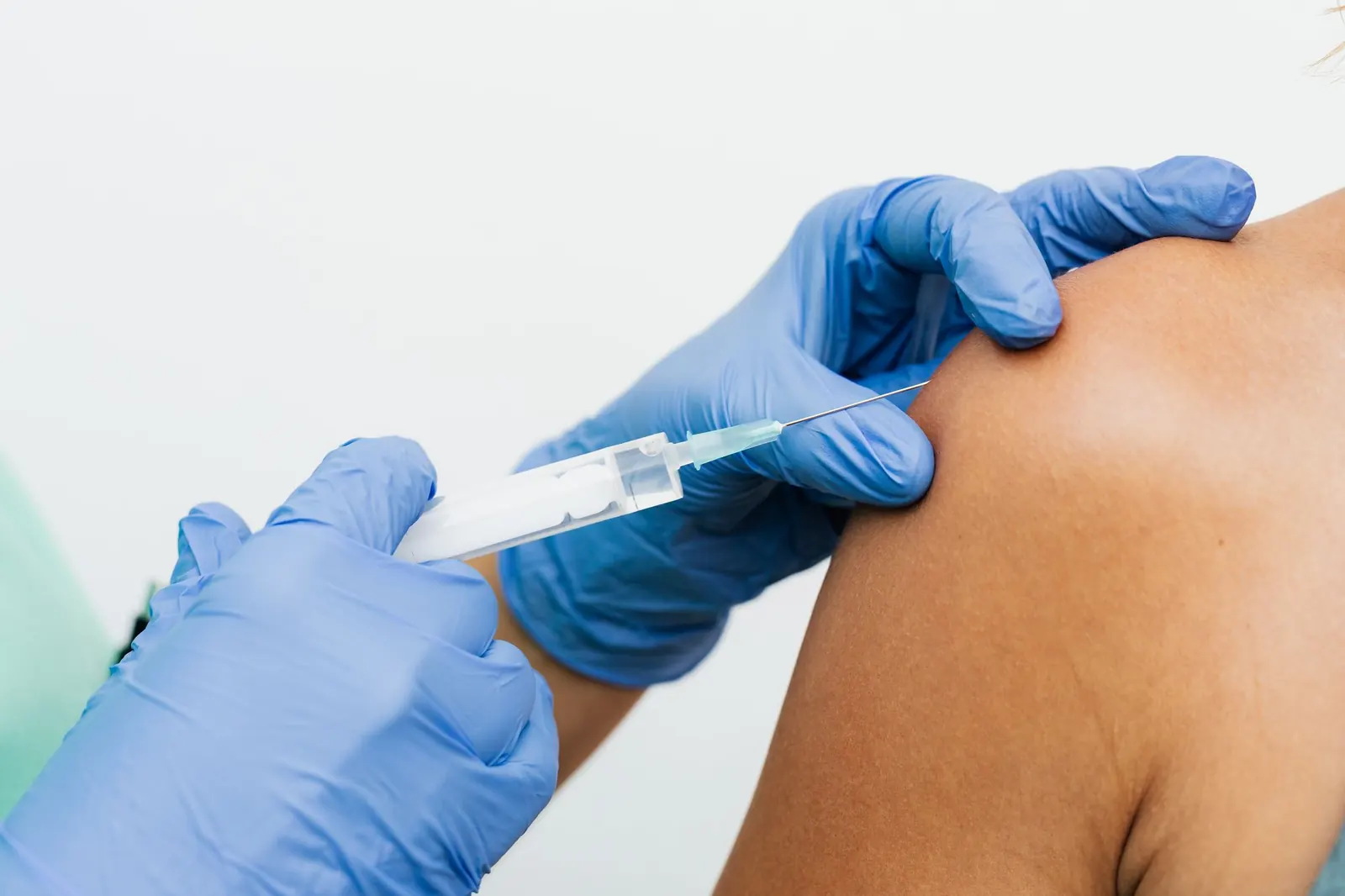
Allergy shots, also called subcutaneous immunotherapy or SCIT, are small injections of the allergens you react to, given on a set schedule. Doses start very low and slowly increase until you reach a maintenance dose. Over months to years, your immune system becomes less reactive, which can reduce allergy and asthma symptoms and the need for daily medicine.
Your shot vials are mixed for you based on your allergy testing and history. Each injection holds a carefully measured amount of the pollens, dust mite, animal dander or mold you react to. Repeated exposure in small, controlled doses shifts how your immune system responds, so over time it overreacts less to particles that should be harmless.
Shots work alongside your usual allergy and asthma medicines rather than replacing them right away. As treatment takes effect, many patients are able to step down those medicines with their provider’s guidance.
Before you start, your provider decides which allergens belong in your mix and at what strength. Not every positive test needs treatment, only the triggers that line up with your symptoms.
Treatment happens in two stages. Your provider sets the schedule and adjusts it if you have a reaction, get sick or miss doses.
How fast you move up depends on how your body handles each dose. Large swelling where the shot was given, or any symptoms afterward, means we hold or repeat a dose before going higher.
You don’t need an appointment for routine shots. Come in during posted shot hours at our Arlington, Keller or Mansfield clinic, check in, and a member of our clinical team will give your injection. Most patients choose the location closest to home, school or work. Shot hours differ by location, so check the posted schedule before you head over.
After every shot, you stay in the clinic for 30 minutes so we can watch for a reaction. Plan on roughly 40 minutes per visit in total. Bring homework, a book or a laptop, and tell the front desk right away if you feel anything unusual during the wait.
Allergy shots are one of the few treatments that target the allergic response itself rather than only easing symptoms. They are not used for food allergy; for foods, our Food Allergy Center offers oral immunotherapy instead.
In North Texas, many patients are treated for a blend of seasonal pollens and year-round triggers, since cedar, oak, grasses and ragweed together cover most of the calendar. For insect venom allergy, shots are especially valuable because they can greatly lower the risk of a severe reaction to future stings.
Shots take time, and that is the honest trade-off. In return, many patients find their symptoms ease, they use fewer medicines, and the improvement often holds for years after the last injection. In children with hay fever, starting shots may lower the chance of developing asthma, though not every child will see that effect.
If regular clinic visits feel hard to fit in, ask about sublingual drops, which are taken at home. We will help you weigh both options against your schedule, your allergies and your budget.
Some people should wait or choose a different option, including those with severe asthma that is not under control or certain heart conditions. Your provider will go over your health history and medicines with you before your first shot.
We confirm your triggers with skin or blood testing and review whether shots fit your health, medicines and goals.
Your custom allergen extract is mixed into a personal set of vials, labeled with your name and dosing schedule.
Your first injection is given in the clinic, followed by the 30-minute wait you will repeat at every visit.
Walk in once or twice a week during shot hours as your dose climbs. Before each injection, we check how you did after the last one.
Once you reach your target dose, shots drop to every 2 to 4 weeks. Periodic visits with your provider track progress and decide when to stop.
The most common side effect is a red, itchy or swollen spot where the shot was given, which usually settles within a day. Rarely, a shot can cause sneezing, hives, wheezing or a more serious allergic reaction. That is why every patient waits in the clinic after each injection, where our staff are trained and equipped to treat reactions right away and adjust your dose if needed.
Cost and insurance. Serum preparation is billed per vial set and self-pay shot visits run about $28 each, while many insurance plans cover part of the cost. See our pricing page for every service and how we check your benefits before you come in.
If your nose runs from cedar season into spring and your eyes itch every fall, we find out which pollens, molds or indoor allergens are behind it and build a plan around your results.
About allergiesIf you reach for your rescue inhaler more than you’d like, or your child coughs through the night, we measure your lungs, find your triggers and give you a written plan you can follow.
About asthmaIf you’ve had round after round of antibiotics or your sinuses never fully clear, we look for allergies, nasal polyps and immune problems that keep the cycle going, then plan the next steps with you.
About sinusitisThe needle is very small and goes just under the skin, so most people feel a quick pinch. Some itching or swelling at the spot afterward is common and usually gone by the next day. If your arm tends to swell, a cool compress helps, and your provider may suggest an antihistamine before shot visits.
Life happens. If you miss a scheduled shot, come in during the next shot hours and tell the staff how long it has been. Depending on the gap, we may repeat or lower your dose to keep you safe, then build back up. A very long break may mean restarting part of the build-up phase.
Most children can start around age 5, once they can tell us how they feel and handle regular visits. Shots can be a good choice for kids with hay fever or allergic asthma. If your child is younger or very nervous about needles, sublingual drops may be worth discussing with your provider.
Some people notice improvement during build-up, but most see a clearer benefit within the first year of maintenance. If you are not feeling better after about a year at your maintenance dose, your provider will review your testing, your vial mix and other possible causes with you before deciding on next steps.
Skin prick, blood, patch and breathing tests that show what is behind your sneezing, rash, cough or food reactions. Skin test results are ready in about 15 to 20 minutes.
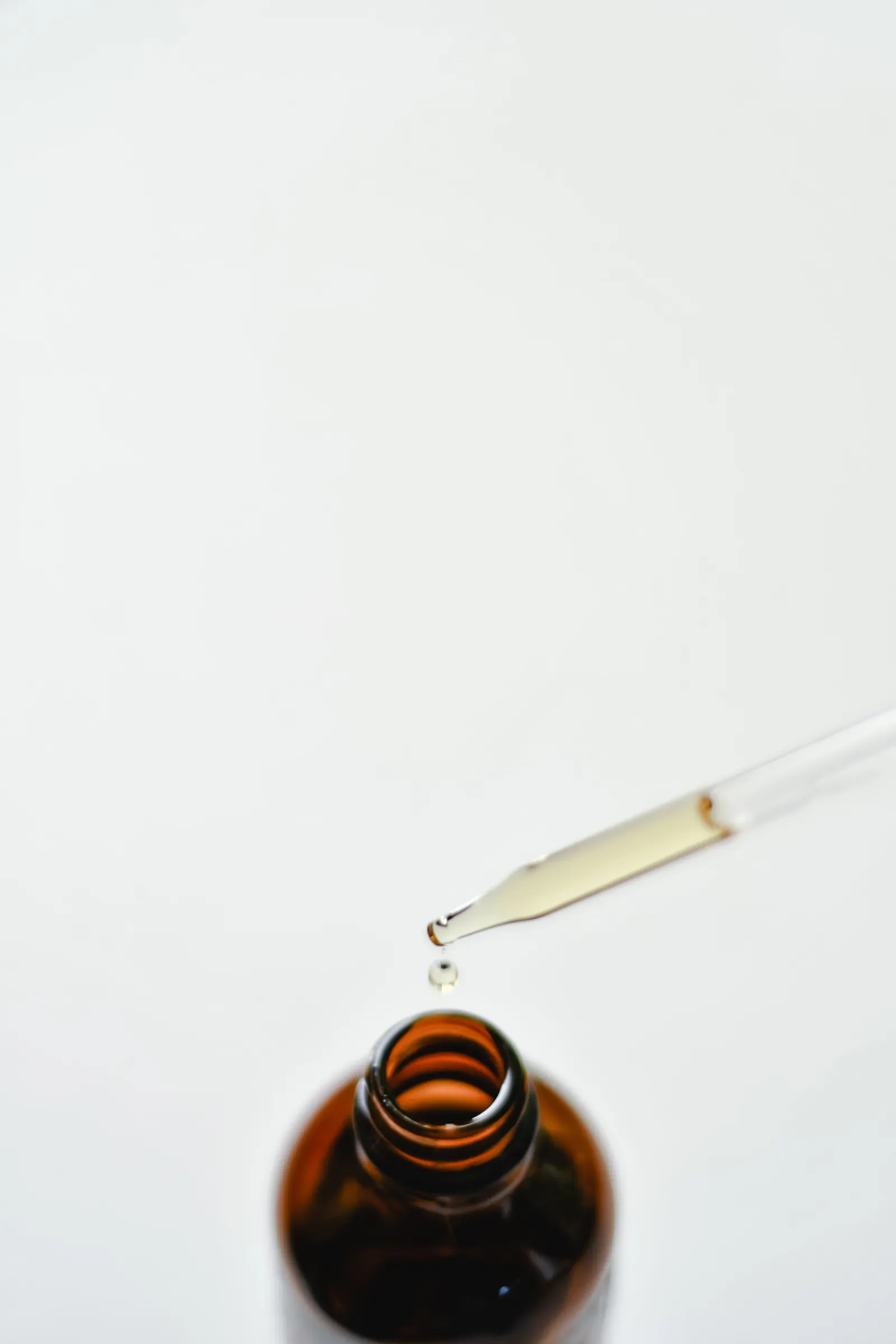
Needle-free immunotherapy you take at home. A few drops under the tongue each day build tolerance to pollen, dust mites and pets, with far fewer trips to the clinic.

Tiny, carefully increasing daily doses of a food allergen that raise the amount it takes to cause a reaction. Our Food Allergy Center offers OIT for peanut, tree nuts, milk, egg, wheat and sesame.
Most new patients are seen within a week. Book online or call the clinic closest to you.