

Allergy testing
Skin prick, blood, patch and breathing tests that show what is behind your sneezing, rash, cough or food reactions. Skin test results are ready in about 15 to 20 minutes.
Thanksgiving hours: all clinics close at noon on Wednesday, Nov 25, and are closed Thursday and Friday, Nov 26–27.
Conditions we treat
A cough that hangs on for months wears you down. It can disturb your sleep, strain your voice and make people around you nervous. Most long-lasting coughs have a common, treatable cause, with asthma, postnasal drip and reflux among the most frequent. Our team works through the possibilities in order, so you can stop guessing.
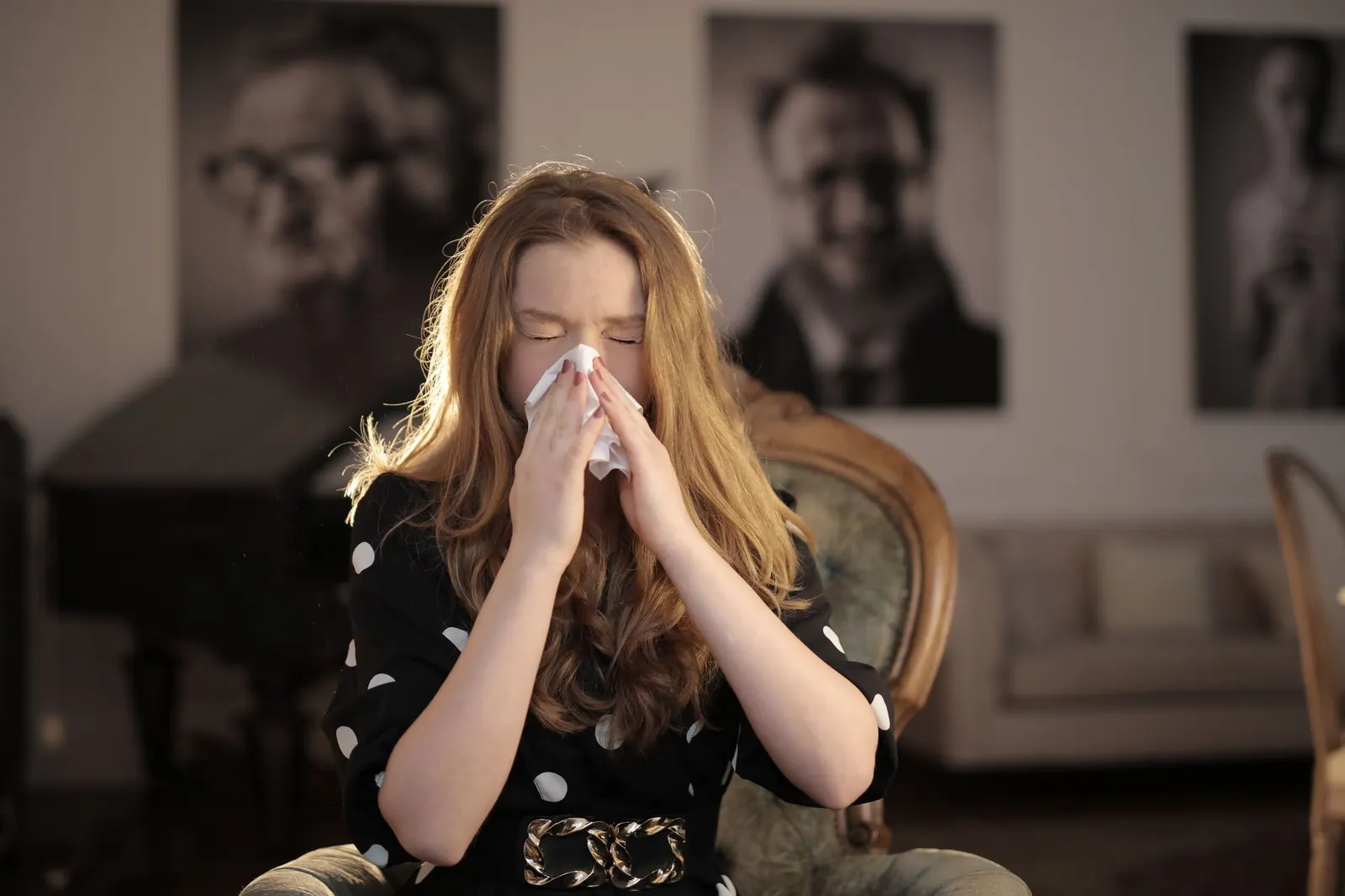
A chronic cough lasts longer than eight weeks in adults or longer than four weeks in children. It’s a symptom rather than a disease, and in people who don’t smoke it most often comes from asthma, postnasal drip or acid reflux. Finding the cause, and sometimes more than one, is the key to quieting it.
Most coughs fade within three weeks after a cold. A cough that lasts three to eight weeks is often post-viral and may settle on its own. Once it passes eight weeks in an adult, or four weeks in a child, doctors call it chronic and look for an underlying cause.
A chronic cough is more than a nuisance. It can cause sore chest muscles, headaches and poor sleep, and in some people it leads to leaking urine during coughing fits, a problem many are reluctant to mention.
Before an allergy workup, it’s important to rule out more serious problems. Coughing up blood, unexplained weight loss, night sweats, fever or a long smoking history need prompt evaluation, usually starting with a chest X-ray.
In adults who don’t smoke and have a normal chest X-ray, a handful of conditions explain most chronic coughs. Several can be present at once, which is why a cough sometimes improves only partway with the first treatment.
If you take an ACE inhibitor, don’t stop it on your own. Talk with the doctor who prescribes it about alternatives. After a switch, the cough can take a few weeks or longer to fade.

In children, a cough counts as chronic after four weeks. Asthma and lingering post-viral cough are common causes, and a wet, rattly cough may point to a bacterial bronchitis that needs a longer course of antibiotics. Some kids develop a habit cough, a loud, honking cough that stops during sleep. We listen carefully, test breathing once your child is old enough and refer to other specialists when needed.
Some people with asthma never wheeze. Instead, they cough, often at night, with exercise or after breathing cold or dusty air. This is cough-variant asthma, and it’s easy to miss at a routine checkup because the lungs may sound normal.
Spirometry and a FeNO breathing test can point toward asthma-type inflammation, and many patients respond well to an inhaled controller medicine. Without treatment, some people with cough-variant asthma go on to develop typical asthma symptoms.
This type of asthma often flares during North Texas allergy seasons or after a cold. If your cough tends to return at the same time each year, that pattern is worth mentioning.
At Aller-Vista, your visit starts with a detailed history: when the cough began, what makes it worse, what you’ve already tried and every medicine you take. We then run breathing tests and, if allergies may be involved, skin or blood testing.
Before your visit, write down every medicine, inhaler and supplement you’ve tried for the cough and how long you used each one. A treatment stopped after a few days may still deserve a full trial.
Sometimes the clearest answer comes from a treatment trial. We may start a nasal spray, an inhaler or reflux measures and see how your cough responds over several weeks. If the cough persists, we’ll coordinate with lung, ENT or digestive specialists in the DFW area.
While we work on the cause, a few simple steps may calm an irritated throat: sipping water often, using sugar-free lozenges, avoiding smoke and vapor, and running a humidifier during dry North Texas winters. Raising the head of your bed and avoiding late meals can help if reflux plays a part.
Over-the-counter cough syrups may take the edge off for a night or two, but they don’t treat the underlying cause. If testing shows that pollen, dust mites or pets keep your postnasal drip going, allergy shots can reduce that ongoing irritation for many patients over time.
For some people, the cough continues even after the triggers are treated, because nerves in the throat have become oversensitive. Breathing and voice exercises with a speech therapist can help in these cases, and we can coordinate that referral.
Every plan starts with the right test. These are the treatments most often used for this condition.
Skin prick, blood, patch and breathing tests that show what is behind your sneezing, rash, cough or food reactions. Skin test results are ready in about 15 to 20 minutes.

A custom mix of the allergens you react to, given as regular injections that build tolerance over time. Walk in during shot hours at any of our three DFW clinics, no appointment needed.
Yes. Allergies to pollen, dust mites, mold or pets can cause steady postnasal drip that tickles the throat and keeps you coughing. A cough that worsens during cedar season or after rainy spells is a useful clue. Allergy testing can confirm the trigger and guide treatment that targets it directly.
Lying down lets mucus from postnasal drip pool in the throat, and stomach acid can travel upward more easily. Asthma symptoms also tend to peak at night and in the early morning, and dust mites in bedding can add to the problem. A night-time cough is a clue that helps us narrow down the cause.
It’s possible. ACE inhibitors, such as lisinopril and enalapril, cause a dry, persistent cough in some people, sometimes months after starting them. Keep taking your medicine and ask your prescribing doctor about switching. If the ACE inhibitor is the cause, the cough often fades within a few weeks of stopping, though it can take longer.
Not usually. Most patients have spirometry, a FeNO test and possibly allergy testing at the first visit. Depending on the results, we may try a targeted treatment before ordering anything else. Additional imaging or a specialist referral is saved for coughs that don’t respond to treatment or show warning signs.
If your nose runs from cedar season into spring and your eyes itch every fall, we find out which pollens, molds or indoor allergens are behind it and build a plan around your results.
About allergiesIf you reach for your rescue inhaler more than you’d like, or your child coughs through the night, we measure your lungs, find your triggers and give you a written plan you can follow.
About asthmaIf every birthday party, school lunch or restaurant meal comes with worry, we confirm which foods are truly a problem, teach your family to handle reactions and discuss whether oral immunotherapy fits.
About food allergiesMost new patients are seen within a week. Book online or call the clinic closest to you.